Medicinal cannabis making policing 'more complex'

 BBC
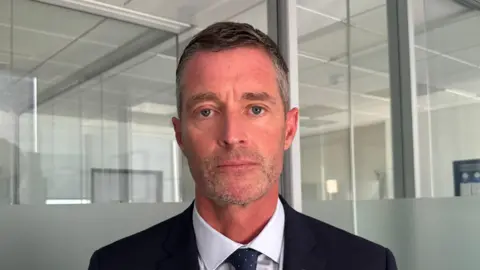
BBCMedicinal cannabis use has made it more difficult for police officers to distinguish between legal and illegal drug use, despite fewer people being charged with drug offences, senior officers have said.
States of Jersey Police said more islanders accessing prescribed medicinal cannabis had reduced demand for illegal imports of the drug.
A Freedom of Information request showed the total number of medicinal cannabis prescriptions dispensed in Jersey increased from 2021 to 2025. Drug crime rates fell during a comparable period.
Det Ch Insp Mark Hafey said the force supported people using prescribed medicinal cannabis lawfully, but added there would "always be people that want to abuse the system".
'A real challenge'
Hafey said it was hard for officers to figure out if someone had the drug legally.
He said: "Occasionally we get reports from people saying there's a strong smell of cannabis and we go and, actually, it's someone who who says that they've been prescribed that cannabis, and that can cause us a real challenge.
"Quite often someone will say that they have a prescription but they might not have it on them."
The force's first Crime and Policing Statistics report showed there were 55 fewer arrests between 2022 and 2025.
He said these figures should be treated with caution and, just because seizures fell, it did not mean police action had too.
Hafey said the concern now was the diversion of prescribed cannabis into the illegal market, and this challenge was something the force had to adapt to.
He said: "We need to be just as flexible as a criminal. We need to be intelligence-led and target those people where we get information that they're selling that prescription, they're sharing with others."
Hafey said tackling that issue would require closer working with prescribers, regulators and the government, and "checks and balances are in place to prevent those people from then abusing the system".
Tighter regulation calls
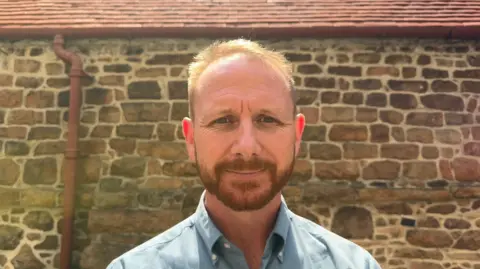
Deputy Tom Coles, who previously proposed to decriminalise cannabis in 2024, said the fall in cannabis-related offences was positive because fewer people were being criminalised.
But he said stronger safeguards were needed around prescribing.
He said: "I think the balance is probably getting closer to right.
"I think there is still work around... making sure that people aren't going from one clinic to another clinic to get a large supply, which then they then sell."
Coles said Jersey should rethink its wider approach to cannabis as "clearly prohibition doesn't necessarily work".
He said: "There's other ways we can control strength, quality and understand what people are actually using.
"My real concern comes with that we've got people prescribing medicinal strength levels of cannabis using it recreationally and we don't know what the long-term impact of that's going to be."
Follow BBC Jersey on X and Facebook. Send your story ideas to channel.islands@bbc.co.uk.